
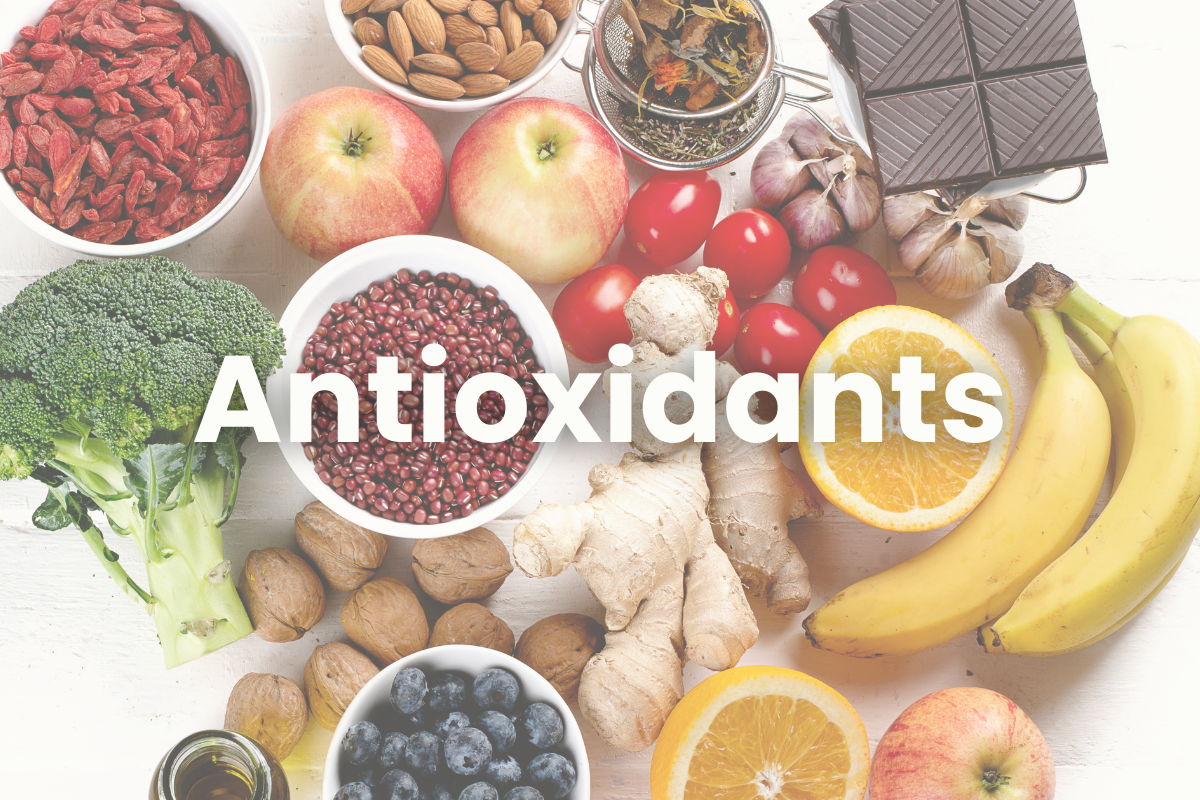
When we talk about brain health, most people think about neurotransmitters like dopamine or serotonin. But one of the most overlooked pieces of mental clarity, focus, and resilience is oxidative stress — and that’s where antioxidants come in.
Antioxidants help protect brain cells from damage caused by chronic stress, inflammation, poor sleep, environmental toxins, and even everyday metabolism. Over time, unchecked oxidative stress can contribute to brain fog, fatigue, low mood, and reduced cognitive resilience.
This is why nutrients like vitamins A, C, E, selenium, and zinc play such an important role in both brain health and nervous system support.
What Is Oxidative Stress (and Why the Brain Is Vulnerable)
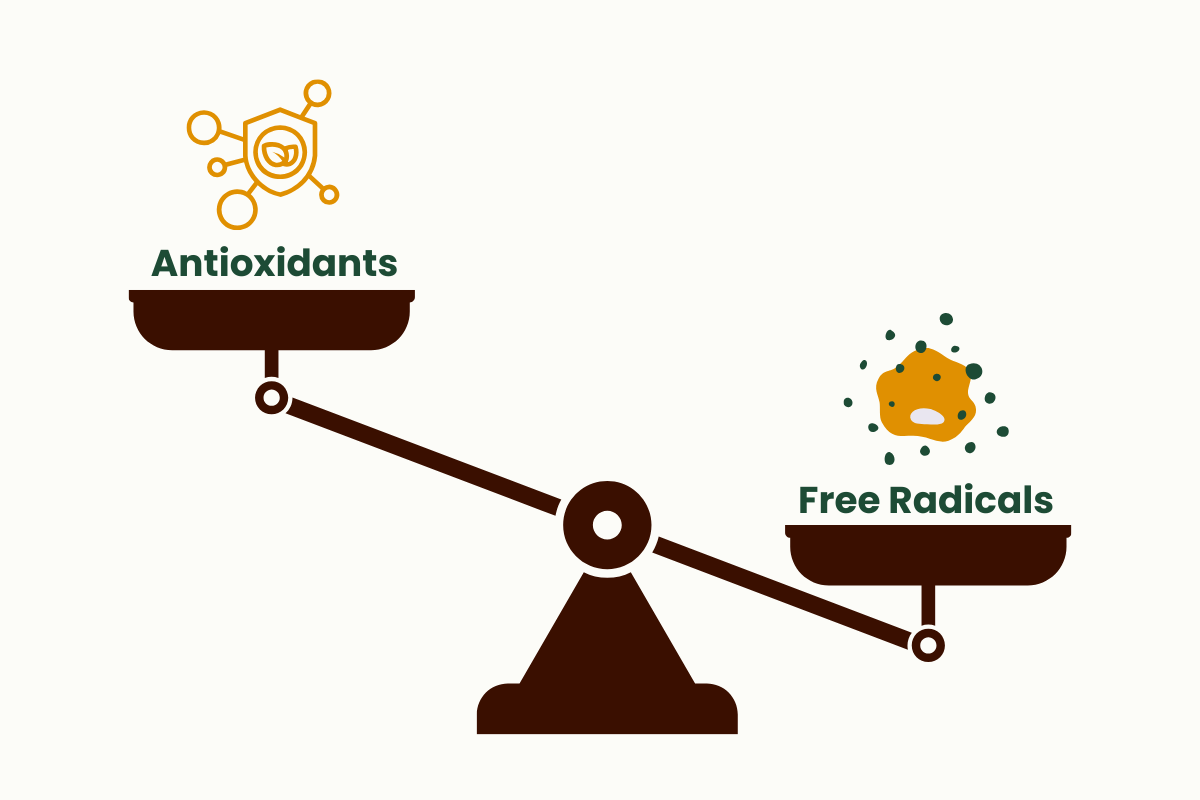
Oxidative stress happens when there’s an imbalance between free radicals and antioxidants in the body.
The brain is especially vulnerable because:
it uses a large amount of oxygen
it has a high concentration of fats (which are prone to oxidation)
it’s highly sensitive to inflammation and stress hormones
Chronic stress, blood sugar instability, lack of sleep, illness, and nutrient depletion can all increase oxidative stress — which can show up as mental fatigue, poor focus, irritability, or feeling “off.”
How Antioxidants Support Brain Health
Antioxidants work by neutralizing free radicals and reducing inflammation, helping brain cells function more efficiently.
The ACES + Zinc combination is commonly used for immune support, but these nutrients are also deeply connected to cognitive and neurological health.
Here’s how each one supports the brain:
Vitamin A
Vitamin A supports:
healthy cell membranes
immune balance (which affects brain inflammation)
antioxidant protection
It also plays a role in maintaining the integrity of the blood–brain barrier, which helps protect the brain from inflammatory compounds.
Food sources: liver, egg yolks, dairy, orange and dark green vegetables (as beta-carotene)
Vitamin C
Vitamin C is one of the most important antioxidants for the brain.
It supports:
neurotransmitter synthesis (including dopamine and norepinephrine)
stress response and cortisol regulation
protection against oxidative stress
During periods of chronic stress, vitamin C needs increase — which is why deficiency can show up as fatigue or brain fog.
Food sources: citrus fruits, berries, bell peppers, kiwi, broccoli
Vitamin E
Vitamin E is a fat-soluble antioxidant that protects brain cell membranes from oxidative damage.
It supports:
cognitive resilience
nerve signaling
protection of fatty acids in the brain
Adequate vitamin E intake is associated with better long-term brain health.
Food sources: nuts, seeds, olive oil, avocado
Selenium
Selenium is a powerful antioxidant mineral that supports:
thyroid function (which affects energy and cognition)
immune regulation
antioxidant enzyme activity in the brain
Low selenium levels are linked to increased inflammation and cognitive fatigue.
Food sources: Brazil nuts, seafood, eggs, whole grains
Zinc
Zinc is critical for:
neurotransmitter signaling
learning and memory
immune-brain communication
It also plays a role in regulating inflammation in the nervous system. Zinc deficiency can contribute to poor focus, low mood, and reduced stress tolerance.
Food sources: meat, shellfish, pumpkin seeds, legumes, dairy
Food First — But Supplements Can Be a Bridge
Food should always be the foundation for nutrient intake. However, modern diets, chronic stress, digestive issues, restrictive eating, or increased needs can make it difficult to meet optimal levels consistently.
In those cases, supplementing with a targeted antioxidant blend (like ACES + Zinc) can be a supportive bridge — not a replacement for food.
As always, it’s important to:
avoid megadoses unless supervised
consider individual needs
talk to a healthcare provider if unsure
Antioxidants Are Part of the Bigger Picture
Antioxidants don’t “fix” mental health or ADHD. But they reduce one layer of stress on the brain, making it easier for focus, mood, and regulation to improve.
They work best alongside:
steady blood sugar
adequate protein and fats
hydration and minerals
sleep and nervous system regulation
Brain health is cumulative — small supports add up.
